The autopsy, done early
You can do the autopsy early, while the patient can still be saved.
In a hospital the autopsy comes at the end, when all it can do is explain. The pre-mortem does it in advance, on a patient who is still alive. You pretend your decision has already gone wrong and ask yourself why. On your own, though, you see three risks, the obvious ones. Here you browse the fifteen causes I have seen sink people who go out on their own, pick the ones that truly scare you, and for each one you write the countermove. At the end you have a plan, in PDF. Not a list of fears.
The method
This is the D of Decision.
In the 5D Method, Decision is the moment you stop circling the choice and look it in the face, risks included. Almost nobody does it. Not for lack of courage, but because the brain defends the plan it loves.
The whole trick of the pre-mortem is one verb tense. If you ask yourself "what could go wrong?", your head defends the plan and the answers come out plastic. If instead you take it as done, it has already failed, and ask why, the defense switches off. The mind stops playing the lawyer and starts playing the coroner. And that is where the real risks come out.
You write it in one line, the way you would tell a friend on the phone. One only: the one that keeps you up at night.
If you can go back, it is a two-way door. If not, it is a one-way door. The pre-mortem is mostly for the second kind.
A year has passed and it went wrong. You write the autopsy, then browse the catalog of the fifteen most common causes. On your own you only see the obvious risks.
From the list you pick up to three risks, the ones that truly scare you. For each one, a single question: can you act on it or not?
For each fear you picked, the move that locks it down or the tripwire that wakes you up in time. Written, not thought.
By when you decide. Without a date, the analysis starts over every morning, from scratch.
The exercise
Let's do the autopsy in advance.
Answer from the gut, the way you talk. Nobody reads what you write and everything stays on this device. At the end you take the plan home as a PDF: the fears you put at the top, the countermoves, and the areas you did not even look at.
One honest thing before you start. The pre-mortem does not predict the future and it is not therapy: it is an orderly way of looking at the risks while you can still move. Take it as that.
Which decision are you leaning towards?
One line, the way you would tell a friend on the phone.
What kind of door is this choice?
Two-way doors forgive, one-way doors do not. Better to know before you analyze.
A year has passed and this decision has failed. A disaster. Why?
The verb is in the past tense. Not "it could go wrong": it has already gone wrong. Write the autopsy the way you would tell it, then pull out below the single risks that sank it.
The piece missing from every solo pre-mortem: the catalog of causes.
Fifteen causes of death, the most common ones I have seen in the field and in the numbers of people who go out on their own. Tap the ones that could be in your report: they join the list, and you remove them whenever you want. Three are almost never enough. Fifteen are an obituary. Three to six is the right measure.
Of these, which ones truly scare you the most?
Pick up to three. The first one you tap is first on the list. Then, for each one, a single question: is the ball in your hands or not?
The fears you picked deserve a countermove. Now.
A risk listed is not a risk handled. Where you can act, write the move to make before you decide. Where it is out of your hands, set the tripwire: if by that date that thing happens, then you already know how you react.
By when do you decide?
Set a real date. Without one, the analysis never ends and the choice stays hanging.
The time turns it into an appointment. Good intentions do not have a time, appointments do.
Your pre-mortem
Here is what you lock down and what you keep an eye on.
Want to go over your countermoves with someone who knows risks well? Thirty minutes, a coffee, no strings attached.
The pre-mortem is a piece of a bigger method.
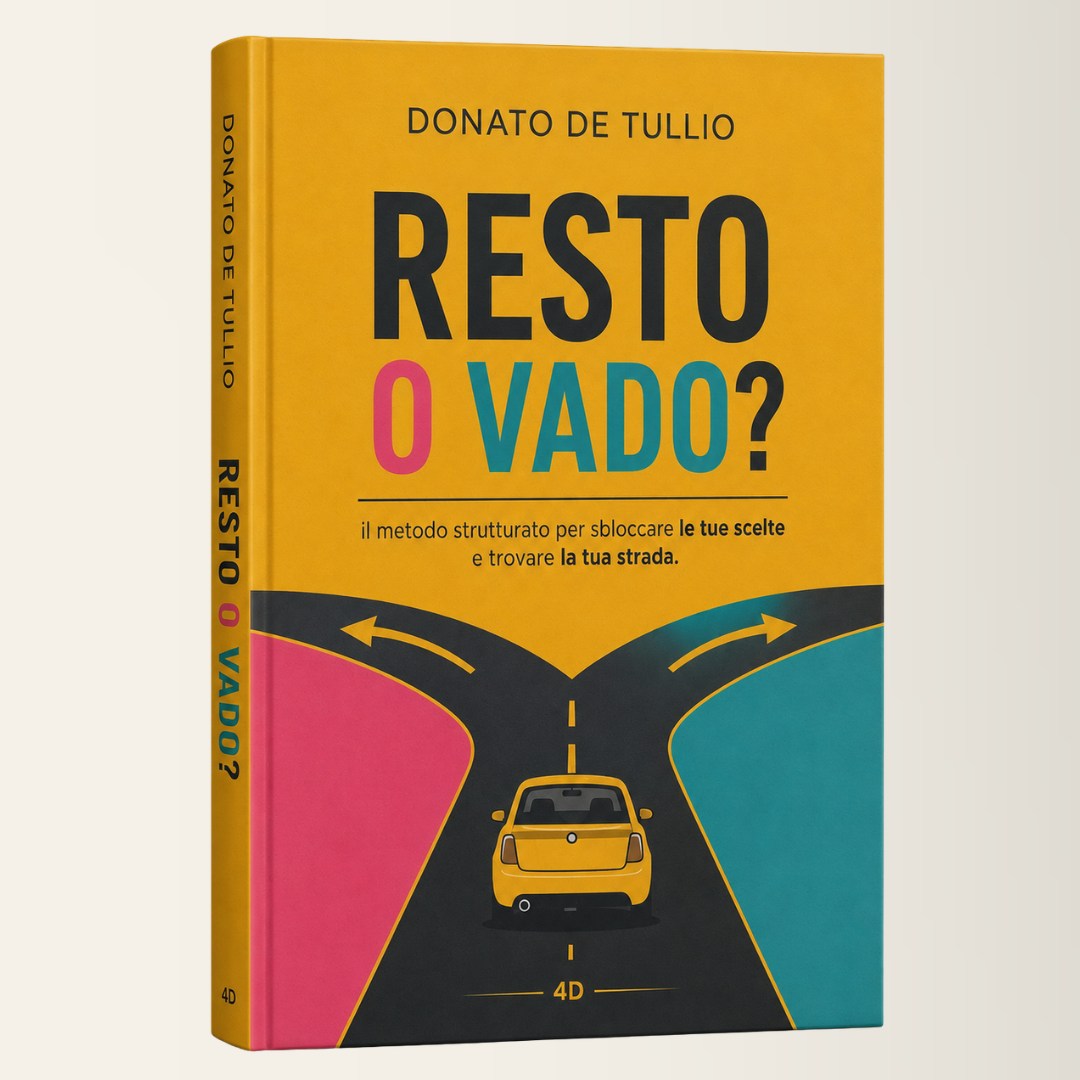
This exercise is the D of Decision from "Stay or Leave?", the 5D Method for deciding between what you should do and what you want. In the book the pre-mortem is one of the tools you walk through step by step, all the way to a decision with your name on it. It comes out in Italian in August 2026 as "Resto o Vado?"; the English edition comes out in September 2026 and you can already preorder it.
The sources
Where this exercise comes from.
The pre-mortem was proposed by the psychologist Gary Klein, who has spent decades studying how experts decide under pressure. He described it in the Harvard Business Review in 2007. Before a project starts, the group imagines that time has passed and the initiative has failed spectacularly, and everyone writes down why. The whole trick is in the verb tense: not "it could fail", it has failed.
Klein leans on a 1989 study by Deborah Mitchell, Jay Russo and Nancy Pennington on "prospective hindsight", hindsight assembled in advance. Taking a future event as already happened and explaining its causes makes people find more possible reasons for that outcome than asking generically what might happen. In that study the increase in identified causes was in the order of 30 percent. It does not make you infallible. It makes you see more.
Daniel Kahneman, Nobel laureate and father of the research on biases, said more than once that he considered the pre-mortem among the most useful techniques he knew against overconfidence. The reason is human: it gives the people with doubts permission to say them, because for once the room is looking for the reasons the thing will not work, and the plan's fans stay outside. In a 2010 experiment, Veinott and colleagues measured that imagining the plan as already failed lowers overconfidence about twice as much as a classic list of pros and cons. One study only, but it points the same way as what I see in the field.
Klein says it plainly. The pre-mortem works in a group, because everyone sees different risks. Alone you see three or four, the most obvious ones. The catalog of fifteen causes plays the group for you. It comes from the post-mortems of hundreds of startups collected by CB Insights, where the most cited final cause is running out of cash, with market, sales and pricing almost always upstream, and I adapted it to people going out on their own. From the field I added two things I see all the time: payments that arrive late or never arrive, and the costs that people who start out almost always underestimate.
The tripwire with a threshold and a date is the Heath brothers' "tripwire", told in Decisive. It is a signal decided beforehand, with a cold head, that wakes you from autopilot before the sunk costs pile up. The if-then format comes from Peter Gollwitzer's studies on implementation intentions: in a meta-analysis of 94 experiments, plans written this way had a robust average effect on following through on what was decided, far more than generic good intentions. The question in step four, is the ball yours or not, comes from Annie Duke and her How to Decide. Risks in your hands and risks outside your control are managed in different ways.
This is not a clinical tool and it does not predict the future. It is an orderly way of looking at the risks while there is still time to do something. If a decision is crushing you, talking to someone you trust or to a professional is worth more than any exercise.
What now?
The risks are on the table. Now choose.
The pre-mortem gave you the picture of the risks. The next step is putting the choice in writing and coming back to it with a cold head. That is what the decision journal is for.
Who is behind this
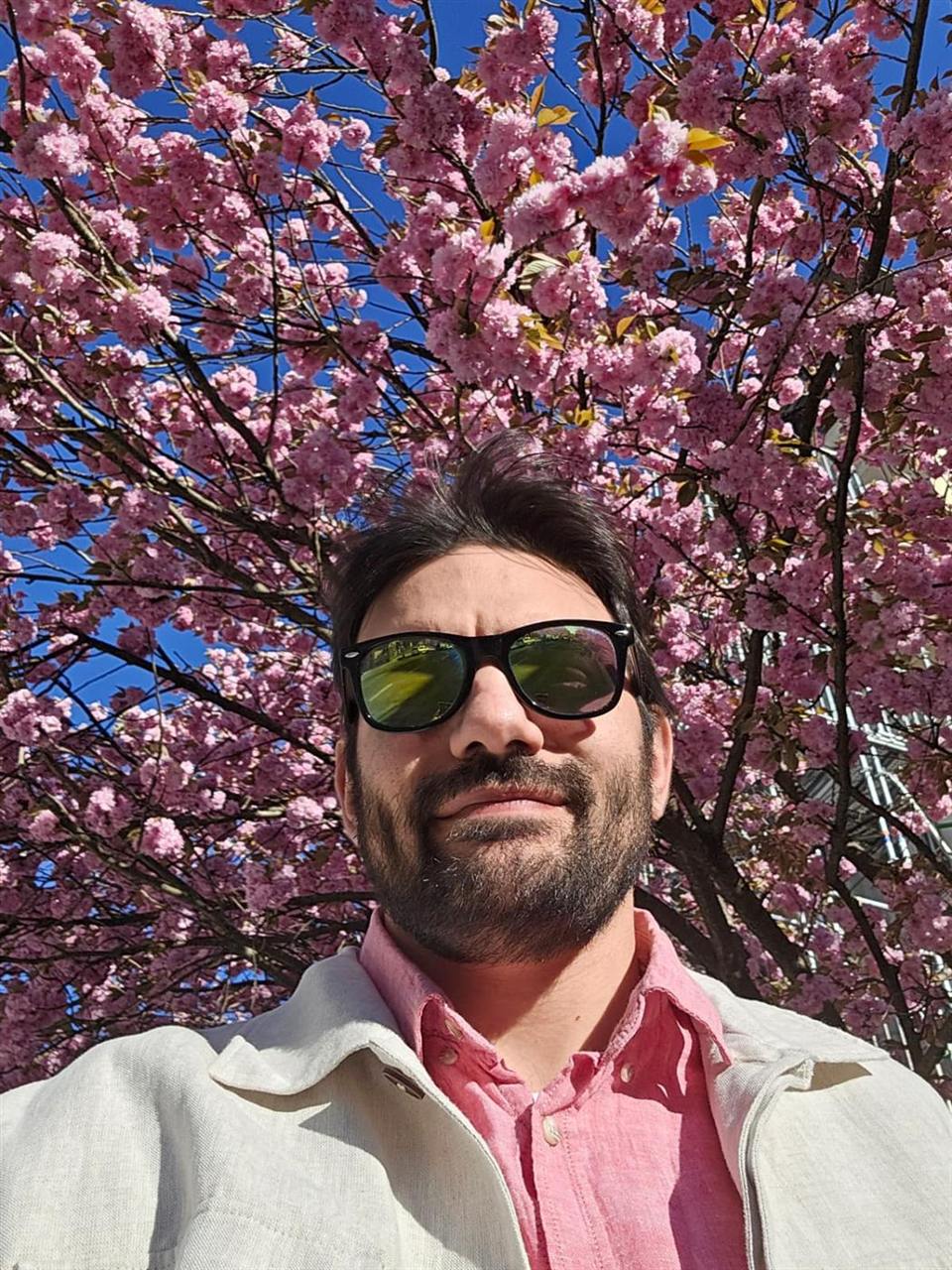
Dr. Donato De Tullio. A scientist's head and hands in operations: for more than ten years I have been running projects in large European multinationals, and the pre-mortem is one of the tools I use before launching anything big. Today I manage 8 logistics centers across Europe. It's all on my LinkedIn.
Alongside my job as a manager, I help people who run their own project decide and move, with the 5D Method: data, direction, decision, destination, desire. If you want a steady partner at your side, there is Decision Lab, the one-on-one decision-making program.
Done your pre-mortem?
Let's look at the risks together.
30 minutes, free, over a virtual coffee. You tell me the decision, the fears you put at the top and the countermoves, and we look at the first move to lock down. In English, Italian or German.
I stopped asking for email addresses in exchange for resources: the pre-mortem is yours, the result too, and it stays on your device without leaving contact details. If it helped, try the other practical exercises, have a look at the book Stay or Leave?, and we can always talk over a coffee.