The committee funds whoever presents better. Public speaking workshops for research teams.
In-house workshops for research and technical teams. Everyone works on the talk they really have coming up.
In-house, anywhere in Europe · English, German or Italian · or write me an email
Brilliant at the work. Invisible in the room.
Your team's best work stays in the lab, or in somebody's head. The room only judges what makes it out.
- The grant went to a weaker project that presented better
- Your best researcher freezes when the committee starts asking
- In a second language, half of what they know never makes it out
- The same person always talks, because everyone else avoids the stage
Each of these talks has a grant or a budget behind it.
Three formats. Always on your team's real work.
Public speaking and pitch
Grant pitches, conference talks, the hour in front of the committee. The talks your people really have coming.
Innovation
The ideas your team already has, lined up and turned into a decision with a name and a date.
Retrospectives
A project ended or stalled. We look at the facts and decide what changes. Nobody goes on trial.
How the public speaking workshop works.
- Real talks. No invented topics: everyone stands up several times, on the talk that matters to them.
- Recorded twice. At the start and at the end. By then, nobody recognises their first talk.
- One to one. An individual session with me for every participant, on their next important talk.
- The insecurity. The voice that says you're not good enough. We work on it with exercises, because willpower doesn't hold up on stage.
What each person takes home: their own talk, ready, and a structure they can rebuild alone in twenty minutes.
Researchers have already been through it.
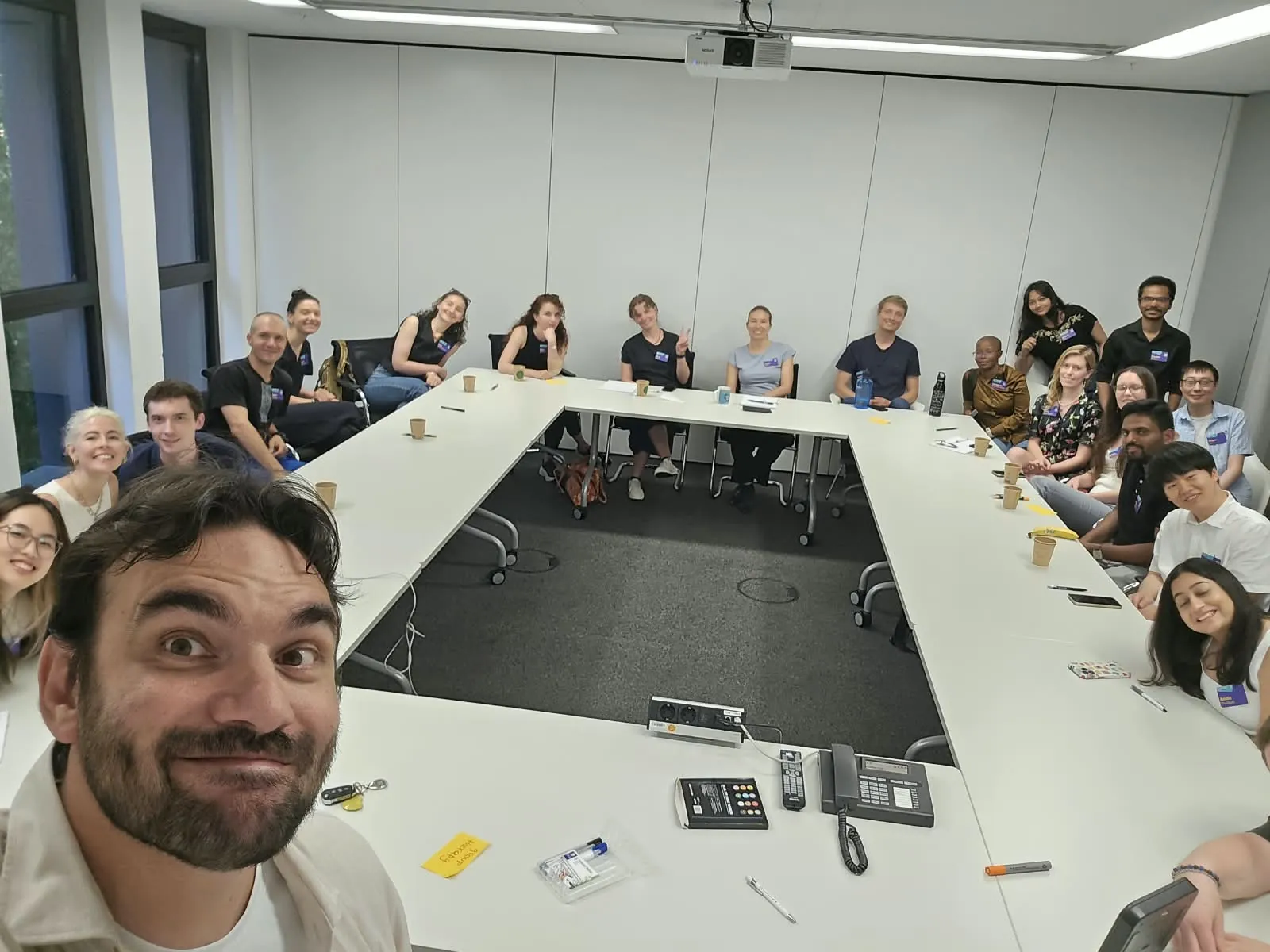
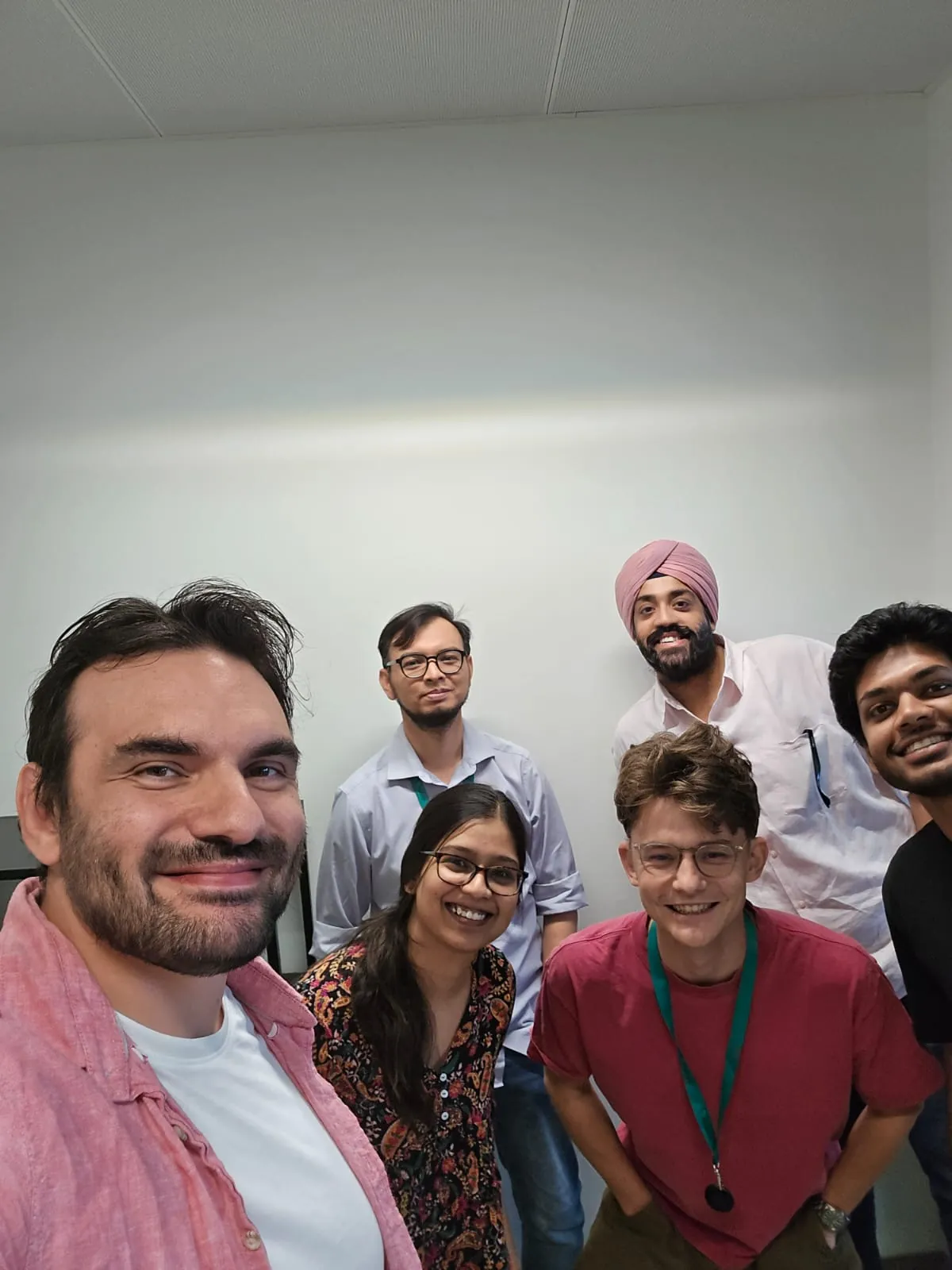 BioMed X VPE team during the public speaking workshop in Heidelberg" style="width:100%;height:auto;aspect-ratio:4/3;object-fit:cover;border-radius:20px">
- Merck Innovation Cup 2026. A talk and a workshop for the young researchers in the competition.
- BioMed X, Heidelberg, August 2026. Public speaking for Team VPE, who build AI models of how drugs behave.
- Curious Future Insight 2027. Official partner, with a workshop on the programme.
- Workshopper Master. Certified facilitator, AJ&Smart, Berlin, November 2025.
The questions you'll get internally.
"We've already done a public speaking course."
Here nobody practises on an invented topic. Everyone works on their own next talk, then one to one with me. The BioMed X group leader wrote:
«A fresh perspective on how to prepare my talk to make it as impactful as possible.»
Group Leader · Team VPE, BioMed X
Your people leave with a talk they'll actually give.
"Our people are introverts, or they present in a second language."
I present in my second and third language myself. I know where the words go missing. From the BioMed X feedback form:
«Although I am an introvert, I learned that I am capable of delivering a good speech. […]»
Algorithm Researcher · Team VPE, BioMed X
The quiet ones often have the most to say. They need a structure that holds when energy is low.
"Stage training is for actors. My people do research."
PhD in chemistry inside Merck, with publications on Google Scholar. Then more than ten years in multinationals, from the warehouse floor to running eight logistics sites.
Nobody has to act. Your results get told so the committee remembers them.
"How do I justify this internally?"
Forward the participant workbook: 44 open pages, with the programme hour by hour, the exercises and the feedback protocol. Whoever signs off reads exactly what the team will do.
Open the workbook · Download the PDF (44 pages)
Leave your email and the link to the PDF opens right below. You’ll also know where to find it again.
And the result is easy to show: everyone walks out with their next talk rebuilt.
"Two days is a lot of time for a team."
Format, length and language depend on your team and on the talks coming up. We settle them in a thirty-minute call, and the proposal follows within two working days.
You only book the time your team needs.
Short answers.
Do people need stage experience?
No. Beginners lose the fear of the first minute. Experienced speakers lose the habits that flatten their talks.
Can we run it for a single team?
Yes, that's the usual format: one team, in one room.
Can it run at a university or research institute?
Yes. Workshops for PhD students, postdocs and research groups take place on site, at your institute.
The next important talk is already in someone's calendar.
Make sure they walk in ready.
You already know enough. Now let's make it happen.